

Medically reviewed by Anna Le, MD, FACOG · Last updated March 2026
If you have painful periods that disrupt work, school, sleep, or everyday life, you may wonder whether what you are feeling is “normal” or a sign of something more serious. One of the most common reasons patients ask that question is endometriosis.
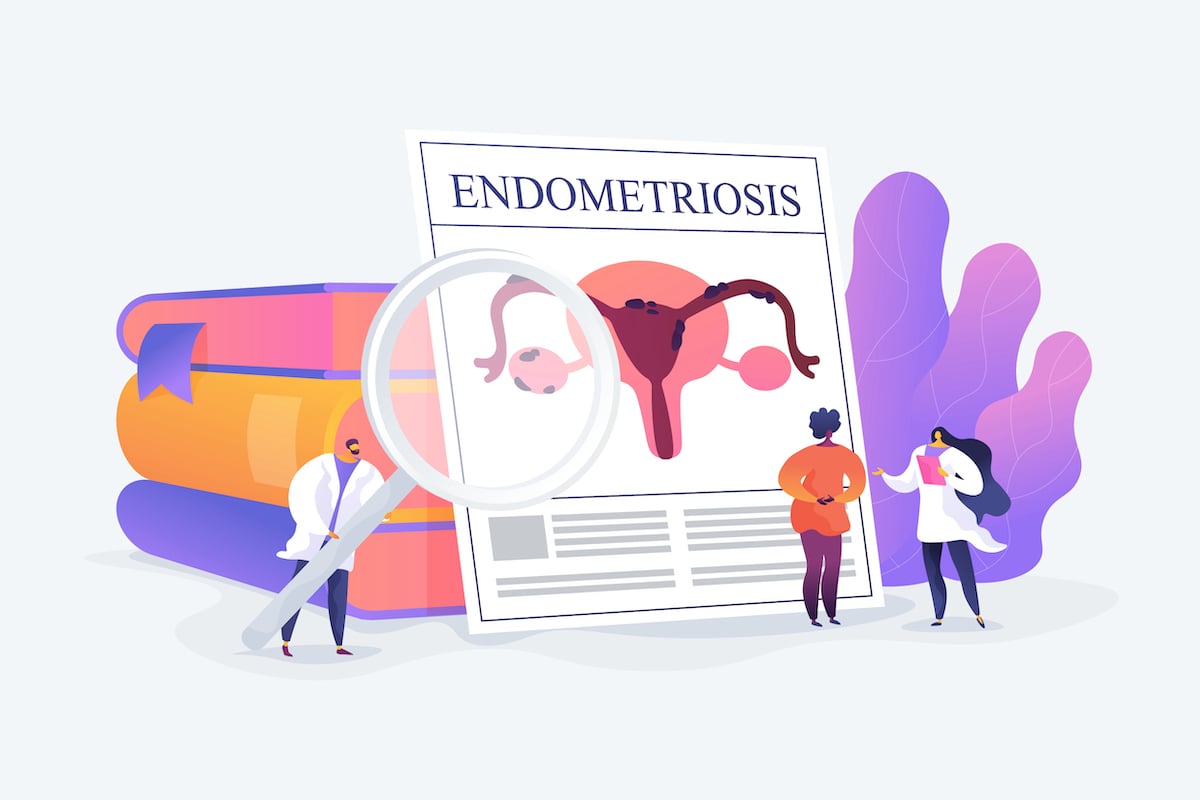
Endometriosis happens when tissue similar to the uterine lining grows outside the uterus. It can cause inflammation, scarring, pelvic pain, painful periods, pain with sex, bowel or bladder symptoms, and sometimes fertility concerns. The challenge is that symptoms can look different from person to person, which is one reason diagnosis is often delayed.
If you are trying to figure out how to know if you have endometriosis, the best place to start is by looking at your symptom pattern, how much it affects your daily life, and whether symptoms return month after month.
Schedule an Endometriosis Evaluation
Normal cramps vs. endometriosis pain
Mild cramping for a day or two around your period can be common. But pain that regularly causes you to miss normal activities, stay in bed, take repeated doses of medication, or plan your month around your cycle deserves a closer look.
- Typical menstrual cramps often improve with heat, rest, and over-the-counter medication.
- Endometriosis pain may feel deeper, sharper, more persistent, or more intense than expected for a normal period.
- Chronic pelvic pain may continue before, during, or after your period instead of staying limited to one or two days.
- Pain that worsens over time is another sign you should not ignore.
Some patients describe endometriosis pain as stabbing, burning, pressure-like, or radiating into the back, hips, rectum, or legs. Others notice severe bloating, bowel pain, or fatigue rather than just “cramps.” In other words, there is no single symptom that proves endometriosis, but a recurring pattern of disruptive pelvic pain is a major clue.
Common symptom patterns to watch for throughout your cycle
Many patients first suspect endometriosis because their symptoms follow a monthly rhythm. Common patterns include:
- Very painful periods that start before bleeding begins and continue for several days
- Pelvic pain between periods or ongoing pelvic pressure
- Pain with sex, especially deep penetration
- Pain with bowel movements or urination, especially during your period
- Heavy periods, irregular bleeding, or spotting between cycles
- Painful ovulation or mid-cycle pain
Not every patient has all of these symptoms. Some have severe pain with normal-looking cycles. Others have relatively little pain but still struggle with fertility, bloating, or a sense that something is not right.
Less-known endometriosis symptoms patients often miss
Endometriosis does not always show up as “period pain only.” Depending on where the tissue is located, you may also notice:
- Digestive symptoms such as bloating, constipation, diarrhea, nausea, or pain during bowel movements
- Fatigue that worsens around your cycle
- Low back pain or pain that spreads into the hips or legs
- Pelvic floor tension or pain that feels muscular as well as gynecologic
- Difficulty getting pregnant or concern about future fertility
Because these symptoms can overlap with IBS, bladder issues, ovarian cysts, pelvic floor dysfunction, fibroids, or other gynecologic conditions, a medical evaluation is important. Endometriosis is common, but it is not the only possible explanation for chronic pelvic pain.
Why diagnosis is often delayed
Many patients live with symptoms for years before they get a clear answer. That delay can happen for several reasons:
- Patients are told severe period pain is normal
- Symptoms are mistaken for gastrointestinal or bladder problems
- Imaging may not show every lesion or adhesion
- Symptoms do not always match disease severity
- People may have more than one condition at the same time
Your risk may be higher if you have a family history of endometriosis, started having painful periods at a young age, have chronic pelvic pain, or have fertility concerns along with painful cycles. Even without those risk factors, recurring symptoms still deserve a conversation with a gynecologist.
How diagnosis works
If you schedule an evaluation, your clinician will usually start with a detailed symptom history and pelvic exam. That history matters. It helps your provider understand when the pain happens, where it occurs, what makes it worse, what you have already tried, and how much it affects work, relationships, exercise, sleep, and daily function.
An endometriosis workup may include:
- Symptom review and cycle history
- Pelvic exam to check for tenderness, nodularity, pelvic floor pain, or masses
- Ultrasound to look for ovarian cysts or other structural causes of pain
- Additional imaging in selected cases
- Discussion of treatment response if you have tried hormonal therapy or pain management
It is important to know that a normal ultrasound does not rule out endometriosis. Some cases are diagnosed based on symptoms and response to treatment, while others require surgical evaluation. In certain situations, laparoscopy may be recommended to directly evaluate and, when appropriate, treat visible endometriosis tissue.
Treatment pathways and next steps
Treatment depends on your symptoms, goals, age, plans for pregnancy, and how strongly endometriosis is suspected. Common options include:
- NSAIDs or other pain-relief strategies for symptom control
- Hormonal treatment to reduce cycle-related pain and suppress endometrial-like tissue activity
- Pelvic floor therapy when muscle tension is contributing to pain
- Surgical evaluation or treatment when pain is severe, an endometrioma is present, or symptoms are not improving
- Long-term follow-up with a gynecology team to adjust the plan over time
Some patients do well with conservative treatment. Others need a more advanced surgical or fertility-focused plan. The right answer is individualized, which is why an accurate diagnosis matters.
Endometriosis and fertility planning
Not everyone with endometriosis has trouble conceiving, but the condition can affect fertility in some patients. Inflammation, scarring, ovarian cysts, and distortion of pelvic anatomy can all play a role. If you are trying to get pregnant now, or if you want to preserve options for later, bring that up early in your visit.
At Annandale OB/GYN, it can be helpful to coordinate endometriosis care with broader fertility services when needed. Patients may benefit from earlier planning if they have severe symptoms, prior surgery, ovarian cysts, or have been trying to conceive without success.
Questions to ask at your consultation
If you think you may have endometriosis, these questions can help you make the most of your appointment:
- Do my symptoms sound consistent with endometriosis or another pelvic pain condition?
- What else could be causing this pain?
- What testing do I actually need right now?
- Would you recommend starting treatment before surgery?
- When should I consider imaging, laparoscopy, or a fertility evaluation?
- How will this affect pregnancy planning, if that is one of my goals?
- What should I track between now and my follow-up visit?
It can help to bring a symptom diary showing the timing of pain, bleeding, bowel symptoms, pain with sex, medication use, and any missed work or school days. That information often makes patterns easier to identify.
When to seek urgent care instead of waiting
Endometriosis usually causes chronic or recurring symptoms, but some situations should be evaluated urgently. Seek prompt medical care if you have:
- Sudden severe pelvic or abdominal pain
- Heavy bleeding that is soaking pads quickly
- Fever, vomiting, or fainting with pelvic pain
- A positive pregnancy test plus pelvic pain or bleeding
If you are not sure whether symptoms can wait, our guide on when to see a gynecologist urgently can help you understand the difference between same-day evaluation and true emergency care.
Frequently Asked Questions
What does endometriosis pain feel like?
Patients describe it in different ways, including severe cramping, sharp pelvic pain, pressure, burning, back pain, bowel pain, or pain with sex. A key pattern is that the pain often feels out of proportion to a typical menstrual cycle and keeps coming back.
Can you have endometriosis even if your ultrasound is normal?
Yes. Ultrasound can help identify ovarian cysts and rule out other causes, but it does not detect every case of endometriosis. A normal scan does not automatically rule it out.
Does endometriosis always cause infertility?
No. Many people with endometriosis conceive naturally. However, some patients do experience fertility problems, which is why early evaluation can be helpful if pregnancy is part of your plan.
At what age can endometriosis start?
Symptoms can start in the teen years or early adulthood, but diagnosis is often delayed. Painful periods that interfere with life should not be dismissed simply because someone is young.
When should I schedule an evaluation?
You should schedule a visit if painful periods, pelvic pain, pain with sex, bowel symptoms during your cycle, or fertility concerns keep returning or are getting worse. Earlier evaluation can help you understand your options sooner.
Schedule an endometriosis evaluation at Annandale OB/GYN
You do not have to keep guessing whether your pain is normal. If your periods are debilitating, your pelvic pain keeps returning, or you are concerned about how symptoms may affect fertility, a gynecology evaluation can help you get answers and a treatment plan.
Our team provides gynecology care, endometriosis evaluation, and individualized next-step planning for patients across Northern Virginia.