


As the body transitions through midlife, menopause can bring noticeable changes that touch many aspects of daily life.
Guidance and reassurance is found through a gynecologist appointment for menopause symptoms in Herndon, Virginia, and knowing when to check in with a professional makes the journey feel more manageable.
Menopause Explained: What Changes Should You Expect?
This marks the stage when the ovaries stop producing eggs, signaling the end of monthly cycles. It usually happens naturally between the late 40s and early 50s, though timing varies from person to person.
During this time, hormone levels, particularly estrogen and progesterone, begin to fluctuate. These variations can affect sleep, energy, and mood, and even skin and hair.
Bone density may decrease gradually, cardiovascular health can become more focused, and metabolism may slow down, all of which can make regular check-ins with a healthcare provider important for ongoing well-being.
Warning Signs: Which Symptoms Need a Gynecologist Appointment for Menopause Symptoms in Herndon, Virginia?
If any of the following are persistent and do not resolve with lifestyle adjustments, medical intervention may be necessary:
- Irregular cycles that become longer, shorter, or heavier than usual
- Hot flashes or night sweats that disrupt sleep
- Sudden changes in mood, including persistent irritability or sadness
- Vaginal dryness or discomfort that affects intimacy
- Unexplained weight changes
- Trouble with focus or memory lapses that become more frequent
- Ongoing fatigue despite adequate rest
- Hair thinning or skin texture changes
- Increase frequency of urinary issues, such as urgency or infections
Medical Visit: What Does a Typical Visit Entail?
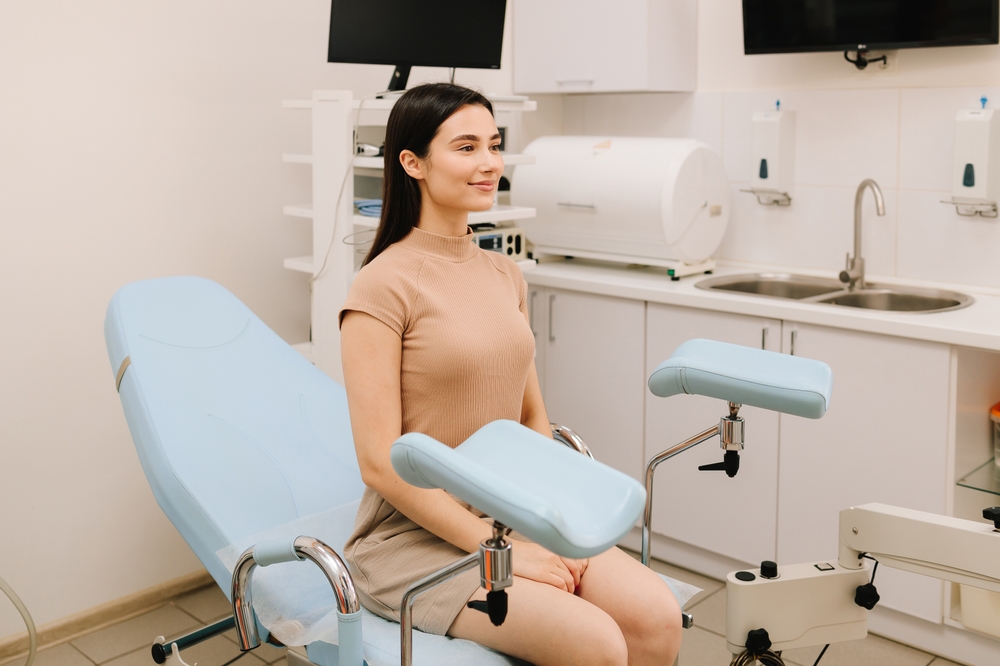
A gynecologist appointment for menopause symptoms in Herndon, Virginia is a detailed assessment.
The provider asks about menstrual history, current symptoms, routines, and how daily life has been affected.
They may explore family health patterns and habits to get a complete understanding of what’s happening.
The appointment usually includes checking blood pressure, weight, and a pelvic exam to evaluate reproductive health. The doctor looks for signs that might indicate other conditions alongside menopause.
Common tests can involve blood work to measure hormone levels, bone density scans to track bone health, and sometimes imaging like ultrasounds to get a better look at reproductive organs.
After reviewing results, the gynecologist is able to outline treatment options to manage symptoms. These may range from adjustment to daily habits and nutrition to medical interventions like hormone therapy.
Partner With Annandale Ob-gyn for Menopause Symptoms Care
Contact us at 703-642-7522 to book your appointment and take the time to check-in on your health.
The proactive steps you take today are guaranteed to make a difference in your quality of life later!